
TL;DR:
- Active, purposeful use of digital technology improves learning and engagement outcomes.
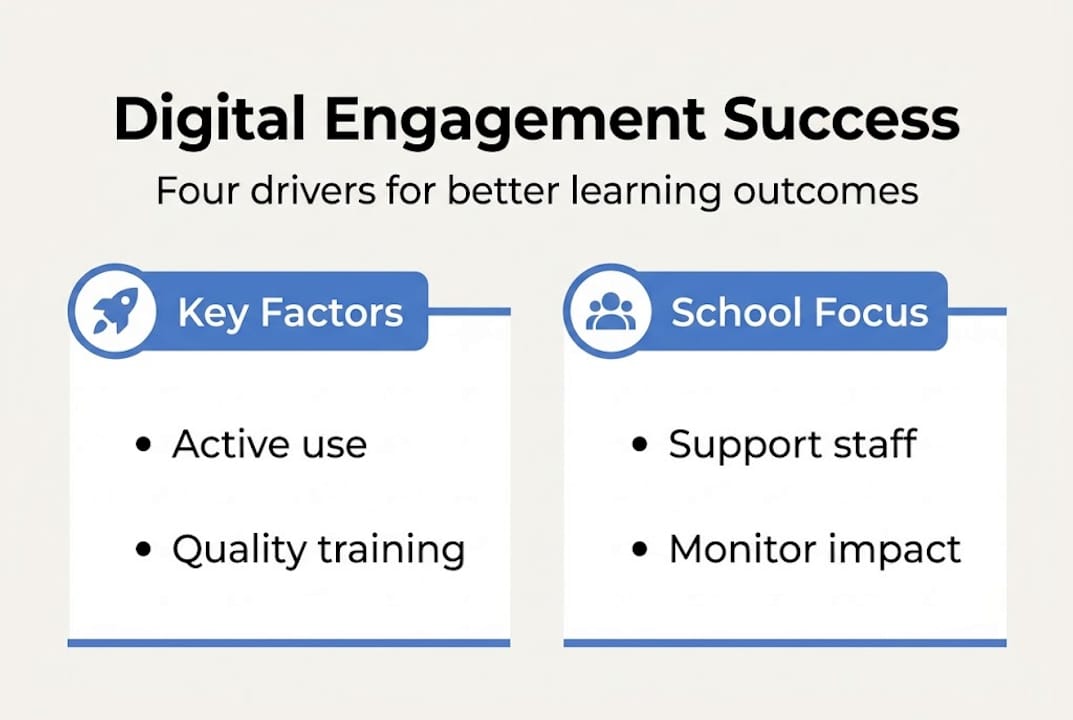
- Effective digital engagement requires strategy, staff training, and ongoing evaluation, not just devices.
- Barriers include cost, skills gaps, digital poverty, and inconsistent strategies, requiring targeted solutions.
Many school leaders assume that equipping classrooms with devices and fast broadband is enough to transform learning. It is not. Active use of digital technology, not simply access, is what drives real gains for pupils, staff, and parents. Digital engagement means purposeful, interactive use of technology across teaching, communication, and operations. This guide covers what genuine digital engagement looks like, how it aligns with DfE standards, where schools are succeeding, and what barriers still need to be overcome. Whether you are a headteacher, IT coordinator, or administrator, you will find practical, evidence-backed guidance here.
Table of Contents
- What is digital engagement in education?
- The official digital standards for UK schools
- How schools apply digital engagement: real examples
- Barriers, risks, and how to close the digital divide
- What most schools miss about digital engagement
- How eSchools supports digital engagement success
- Frequently asked questions
Key Takeaways
| Point | Details |
|---|---|
| Active use matters | Schools see real learning gains when digital tools are used purposefully, not just provided. |
| Standards drive success | Meeting DfE’s digital standards helps schools create a safe, effective digital environment for all. |
| Training beats technology | Staff training and proper strategy make more difference than having the latest devices. |
| Overcome the divide | Addressing digital poverty and access is vital to ensure every pupil benefits. |
What is digital engagement in education?
Digital access and digital engagement are not the same thing. Access means a pupil has a device and an internet connection. Engagement means that pupil is actively using technology to learn, collaborate, and communicate in ways that improve outcomes. The distinction matters enormously for school leaders making investment decisions.
Research confirms that active, purposeful technology use improves learning outcomes, while passive access alone does not. A pupil watching a video without interaction, or a teacher using a projector simply to display static slides, represents passive use. Neither produces the gains that justify the investment.
The table below illustrates the key differences:
| Type of use | Example | Effect on learning |
|---|---|---|
| Passive digital use | Watching a pre-recorded video without tasks | Minimal or no measurable gain |
| Active digital use | Interactive quizzes, live polling, collaborative documents | Measurable improvement in attainment and engagement |
| Operational digital use | Automated parent communications, online booking | Reduced workload, improved parent relationships |
| Administrative digital use | Data dashboards, compliance tracking | Better decision-making, time saved |
True digital engagement in a school setting covers four interconnected areas:
- Interactive learning: pupils using technology to create, question, and collaborate rather than simply consume
- Parental communication: real-time updates, newsletters, and consultation tools that keep families genuinely informed
- Data management: platforms that give leaders actionable insight rather than raw numbers
- Operational efficiency: tools that reduce administrative burden and free staff to focus on teaching
UK schools that align with the DfE digital standards and invest in supporting learning and workload through purposeful tools consistently report better staff wellbeing and stronger pupil outcomes. The goal is not to fill classrooms with technology. It is to use technology strategically, with clear intent and measurable results.
The official digital standards for UK schools
The government has set a clear direction. The DfE mandates six digital core standards by 2030 to enable safe, effective technology use in every school in England. These standards are not optional guidance. They form the foundation for how schools should plan, invest, and operate digitally.
The six core standards cover:
- Connectivity: reliable, high-speed broadband sufficient for all users simultaneously
- Devices: appropriate hardware for staff and pupils to support teaching and learning
- Cyber security: robust policies and systems to protect school data and users
- Digital leadership: trained leaders and governors who can make informed technology decisions
- EdTech: purposeful use of educational technology to improve outcomes
- Data and AI: responsible, ethical use of data and emerging technologies including artificial intelligence
Adoption rates vary considerably across these standards. The table below reflects current school readiness:
| Standard | Estimated school readiness (2026) |
|---|---|
| Connectivity | ~85% meeting minimum requirements |
| Devices | ~70% adequately equipped |
| Cyber security | ~60% with formal policies in place |
| Digital leadership | ~50% with trained leads |
| EdTech | ~55% using purposeful tools consistently |
| Data and AI | ~30% with structured approaches |
To meet these requirements, school leaders should take the following practical steps:
- Conduct an honest audit of your current position against each standard
- Prioritise connectivity and cyber security as foundational requirements
- Appoint or develop a digital leader with the authority and time to drive strategy
- Review your school website compliance guide to ensure statutory obligations are met
- Build a phased investment plan that connects each standard to pupil outcomes
One area gaining significant attention is artificial intelligence. Schools are increasingly exploring AI tools for marking support, lesson planning, and pupil feedback. However, fewer than a third of schools currently have structured approaches to data and AI use. Getting ahead of this standard now will save considerable effort later.
How schools apply digital engagement: real examples
Standards provide the framework. Real schools provide the proof. Across the UK, leaders are applying digital engagement in ways that produce measurable results, and the evidence is encouraging.

According to sector research, interactive boards, data management, and parental communication systems are among the most widely adopted tools, with 61% of school leaders reporting reduced workload and 66% citing improved pupil attainment as direct benefits.
Here is how digital engagement is being applied across different areas of school life:
- Classroom technology: interactive whiteboards and pupil response systems make lessons more dynamic and allow teachers to assess understanding in real time
- Learning platforms: virtual learning environments give pupils access to resources, assignments, and feedback outside school hours, supporting improving online learning at scale
- Parental communications: automated messaging, app-based updates, and digital newsletters keep families connected without adding to staff workload
- Assistive technology: tools for pupils with SEND (Special Educational Needs and Disabilities) support inclusion and independence, from text-to-speech software to symbol-based communication aids
- Online collaboration: shared platforms for staff planning and pupil group work, explored further in online collaboration resources for UK schools
- Operational tools: parent evening booking systems, absence reporting, and data dashboards that give leaders clear, timely information
For those looking to build a more structured approach, a guide to integrating educational technology offers a practical starting point. Equally, reviewing the range of digital classroom tools available helps leaders make informed choices rather than reactive purchases.
Pro Tip: The schools seeing the greatest impact are not those with the most devices. They are the ones investing in staff training alongside technology. A well-trained teacher with a basic interactive board will outperform an untrained teacher with a full suite of premium tools every time.
Barriers, risks, and how to close the digital divide
Despite these successes, many schools encounter real obstacles. Acknowledging them honestly is the first step to overcoming them.
The most common barriers are:
- Cost: hardware, software licences, and infrastructure upgrades represent significant expenditure, particularly for smaller schools and those in deprived areas
- Skills gaps: many teachers and leaders lack confidence with digital tools, limiting effective implementation even when resources are available
- Inconsistent strategy: schools that adopt technology reactively, responding to trends rather than need, often see poor return on investment
- Digital poverty: 570,000 pupils lack devices or internet access at home, creating a significant equity gap that schools cannot solve alone
The scale of digital exclusion is stark. As the DfE tech survey highlights, infrastructure gaps and uneven AI adoption are creating a two-tier system where some pupils benefit enormously from digital tools while others are left behind.
“The digital divide is not just about devices. It is about access to opportunity. Schools that ignore it risk widening the attainment gap they are working so hard to close.”
Practical strategies for overcoming these barriers include:
- Applying for DfE connectivity and device funding schemes where eligible
- Building a multi-year digital strategy rather than making one-off purchases
- Using a practical guide to virtual learning to extend access beyond the classroom
- Targeting assistive technology and connectivity support specifically at SEND pupils and those eligible for pupil premium
- Establishing a regular review cycle so that what is not working can be identified and changed quickly
Pro Tip: Phased adoption works better than wholesale change. Introduce one new tool at a time, train staff thoroughly, measure the impact, and then expand. This approach reduces resistance and builds genuine confidence across your team.
What most schools miss about digital engagement
Here is the uncomfortable truth most technology rollouts avoid: the quality of implementation matters far more than the quantity of devices. Schools that treat digital engagement as a procurement exercise, buying the latest hardware and hoping for results, consistently underperform compared to those that treat it as a strategic, ongoing commitment.
Research is clear that fidelity and training determine outcomes, not device count. Yet the default response to poor results is often to buy more technology rather than to improve how existing technology is used.
The schools that get this right share a common characteristic: they treat digital engagement as a cultural shift, not a product installation. Leaders who invest in edtech solutions that work understand that technology is a vehicle, not a destination. The destination is better outcomes for pupils, lighter workloads for staff, and stronger relationships with families. Getting there requires strategic leadership, honest evaluation, and a willingness to change course when something is not delivering.
If your school is not regularly reviewing the impact of its digital tools, you are almost certainly wasting part of your budget.
How eSchools supports digital engagement success
For schools ready to take action, eSchools provides the tools and expertise to turn these insights into real improvements. Our solutions are built around the core DfE digital standards, giving you a platform that supports compliance, communication, and learning in one place.

From school websites for engagement that keep parents informed and Ofsted-ready, to a fully featured eSchools learning platform that supports pupils in and out of the classroom, everything we offer is designed to reduce your workload while raising your school’s digital impact. You can explore our work with UK schools to see how other leaders have made the transition. Get in touch to find out how we can support your school’s digital journey.
Frequently asked questions
What does digital engagement in education mean for school leaders?
It means driving meaningful learning, communication, and operational improvements through the active use of digital technologies, going well beyond simply providing hardware or internet access to staff and pupils.
What are the main barriers to effective digital engagement in UK schools?
Cost, digital poverty, skills gaps, and inconsistent strategy are the most significant obstacles, with 570,000 pupils lacking devices or reliable home internet access representing a particularly urgent equity challenge.
Why does implementation of digital engagement matter as much as the choice of tools?
Because active implementation and skilled use consistently produces better outcomes than purchasing devices alone, making staff training and strategic leadership the real differentiators between schools that see results and those that do not.
How can parents support digital engagement at their child’s school?
By actively using school platforms, responding to communications, and providing feedback, parents help schools refine their digital strategies. Engaged parents can add up to two to three years to a pupil’s measurable progress over their school career.